Power outages can happen at any time, especially in the Pacific Northwest, where windstorms, heavy rain, and winter weather can bring down power lines. A home backup generator provides peace of mind by keeping your lights on, your food cold, and your home comfortable during unexpected outages. If you are considering installing a backup generator, there are several important factors to understand before choosing the right system for your home.
Why Homeowners Are Installing Backup Generators
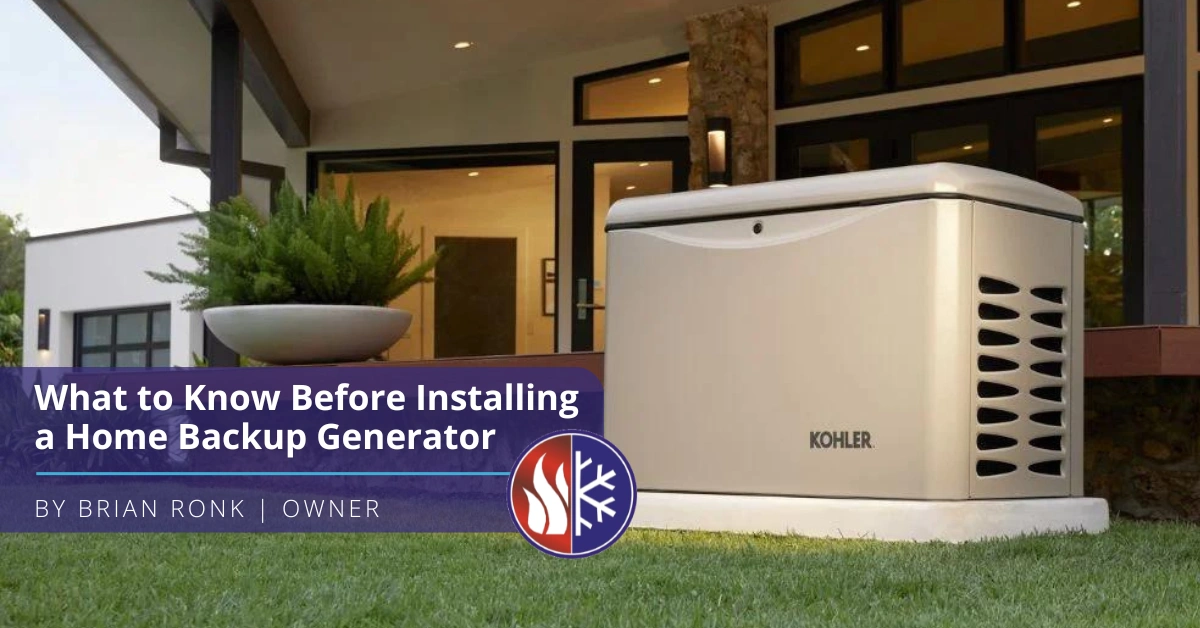
More homeowners are investing in backup generators to protect their homes and families during power outages. A standby home generator automatically turns on when your power goes out, allowing essential systems like heating, refrigeration, lighting, and medical equipment to continue operating.
For many households, a backup generator is no longer considered a luxury but a practical investment in safety, comfort, and convenience.
Choosing the Right Generator Size
One of the most important factors when installing a home backup generator is selecting the correct size for your home. Generators are sized based on how much power they can produce, and the right system will depend on the number of appliances and systems you want to keep running during an outage.
Some homeowners choose generators that power only essential systems, while others install whole-home generators capable of running nearly everything in the house. A professional assessment helps determine the right size generator to match your home’s power needs.
Fuel Type Options
Home backup generators typically run on one of three fuel sources:
- Natural Gas: Often the most convenient option for homes connected to a natural gas line because the fuel supply is continuous.
- Propane: A popular alternative that offers reliable performance and longer fuel storage life.
- Diesel: Typically used for larger systems or commercial applications.
Each fuel type has its own benefits, and the best choice depends on your home’s existing utilities and your long-term energy preferences.
Automatic Transfer Switch
A professionally installed standby generator includes an automatic transfer switch. This device detects when your power goes out and immediately signals the generator to start. Within seconds, your home switches from utility power to generator power without requiring any manual steps.
When power is restored, the system safely switches back and shuts the generator down.
Professional Installation Matters
Installing a home backup generator is not a simple DIY project. Proper installation requires electrical expertise, fuel line connections, permits, and code compliance. A professional installation ensures the generator operates safely, reliably, and efficiently when you need it most.
Working with an experienced HVAC and electrical contractor also ensures your generator system is properly sized and integrated with your home’s electrical panel.
Long-Term Reliability and Maintenance
Like any mechanical system, generators require routine maintenance to ensure they are ready when needed. Regular inspections, oil changes, and system testing help keep your generator running smoothly for years to come.
A professionally installed system paired with regular maintenance can provide dependable backup power for your home whenever outages occur.
Your Northwest Authority In Home Comfort Since 1971
If you’re considering installing a backup home generator, the team at Ronk Brothers Heating, Cooling, and Electrical is here to help. Our mission is Changing Lives Through Genuine Service For Purposeful Impact, and that commitment shows in every home we serve. Our experienced technicians will evaluate your home’s power needs and recommend the right generator system to keep your home safe, comfortable, and powered during unexpected outages.
Contact our team today to schedule your FREE in-home estimate. We proudly serve homeowners throughout Skagit, Snohomish, Whatcom, Island, and San Juan County, delivering reliable backup power solutions backed by honest service you can trust!